


Blog
Ayurvedic Weight Loss Medicine vs. Keto Pills and Amazon Fat Burners: What’s Actually Different

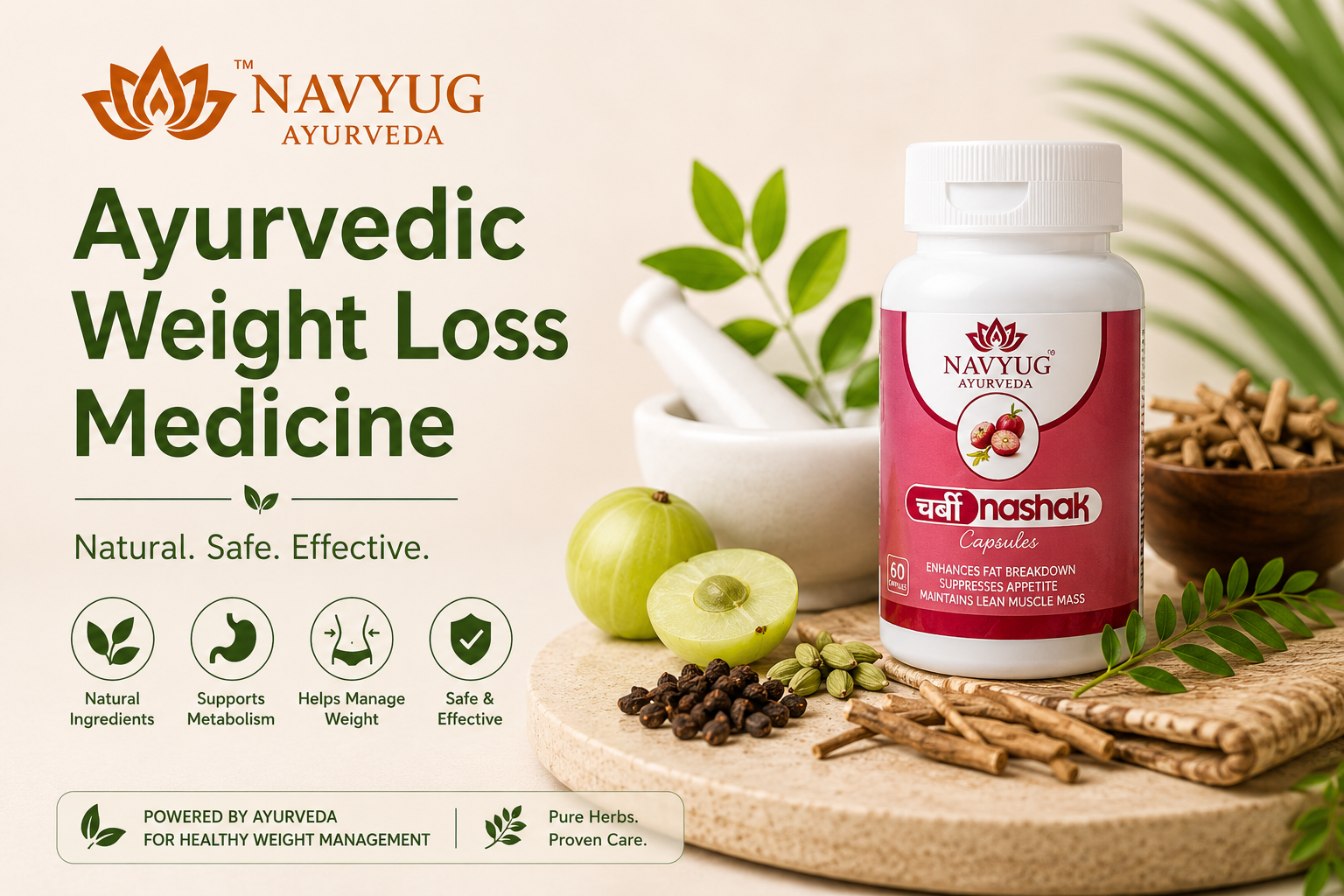
Quick answer: Ayurvedic weight loss medicine works through herbal support for digestion, appetite, and metabolism, while keto pills work by supplying exogenous ketones (BHB) to mimic ketosis, and generic Amazon fat burners typically rely on stimulants like caffeine for a short-term metabolic spike. Currently, there’s no evidence keto pills cause weight loss on their own, and none of these three categories are FDA-approved, since dietary supplements aren’t regulated the same way medications are.
I get asked to compare these constantly, usually by someone standing in front of three tabs open on their phone, genuinely unsure what the actual difference is beyond marketing language. So let’s break down what each one is actually doing in your body, not just what the packaging says.
How Is Ayurvedic Medicine for Weight Loss Different from Keto Pills?
Ayurvedic weight loss medicine typically works through herbs that support appetite regulation, digestion, and metabolism over time, while keto pills work by directly supplying ketone bodies (usually beta-hydroxybutyrate, or BHB) to try to mimic the effects of ketosis without requiring the strict low-carb diet. These are genuinely different mechanisms, not just different branding on the same idea.
Here’s something worth knowing plainly: current research hasn’t shown that keto pills or supplements alone cause weight loss, or that adding them to a keto diet provides additional benefit beyond the diet itself. Ketone salts are also usually bound to sodium, which matters if you have high blood pressure or kidney concerns, since that’s an added electrolyte load most people don’t think to account for.
How Is Ayurvedic Medicine Different from Generic Amazon Fat Burners?
Generic Amazon-style fat burners typically lean on caffeine and other stimulants for a short-term thermogenic spike, while Ayurvedic formulations generally work through gentler, non-stimulant mechanisms like appetite regulation and digestive support. This is a real and meaningful difference if you’re someone who doesn’t tolerate caffeine well, or if you’re already getting stimulants from coffee, tea, or pre-workout elsewhere in your day.
It’s also worth being honest about supplement regulation generally: none of these three categories — Ayurvedic, keto, or generic fat burner — are FDA-approved in the way medications are, since dietary supplements aren’t put through the same clinical trial process. I’ve seen at least one Ayurvedic brand’s marketing claim “FDA approved,” which isn’t accurate for any supplement category, Ayurvedic or otherwise, and it’s worth being skeptical of any brand making that specific claim regardless of which category it’s in.
Category Comparison at a Glance
Ayurvedic Weight Loss Medicine | Keto Pills | Generic Amazon Fat Burners | |
Core mechanism | Herbal support for appetite, digestion, metabolism | Exogenous ketones (BHB) mimicking ketosis | Stimulant-driven thermogenic spike (caffeine-based) |
Evidence for weight loss alone | Modest for specific herbs (Garcinia, Triphala) | Currently no evidence pills alone cause weight loss | Short-term metabolic effect, not sustained fat loss |
Common side effects | GI upset, rare liver concerns (Garcinia at high doses) | Sodium load, risk for hypertension/kidney conditions | Jitteriness, elevated heart rate, sleep disruption |
Regulation | Not FDA-approved (no supplement category is) | Not FDA-approved | Not FDA-approved |
Best suited for | Gradual, gentler support alongside diet/activity | People already following a strict keto diet, cautiously | People tolerant of stimulants, short-term use |
Can Ayurvedic Medicine for Weight Loss Cause Side Effects Like Other Supplements?
Yes — “natural” doesn’t mean risk-free, and this applies across all three categories, not just the synthetic ones. Garcinia Cambogia, a common ingredient in Ayurvedic weight-loss formulations including our own Fat Burner and Charbi Nashak, has documented reports of gastrointestinal upset and, in rarer cases, liver-related concerns at higher doses.
The practical takeaway is the same regardless of category: use one product at the recommended dose, don’t stack multiple similar supplements, and stop if something feels off. Ayurvedic side effects tend to be milder and less acute than stimulant-driven ones, but “milder” isn’t the same as “none.”
Is Ayurvedic Medicine for Weight Loss Safe If I Have Thyroid or PCOS?
It can be used as general support, but the underlying hormonal condition needs to be diagnosed and managed by a doctor first, since no weight-loss supplement — Ayurvedic, keto, or otherwise — treats thyroid dysfunction or PCOS directly. This is actually where Ayurvedic formulations have a slight practical edge over stimulant-heavy fat burners: caffeine and other stimulants can sometimes interact poorly with thyroid medication or worsen anxiety symptoms some PCOS patients already experience, whereas a gentler herbal formulation is generally less likely to complicate that picture.
That said, “less likely to complicate” isn’t the same as “cleared for use” — always check with your doctor before adding any supplement if you’re managing a hormonal condition.
Step-by-Step: Choosing Between the Three Categories
- Ask what you’re actually trying to achieve — sustained diet/activity support (Ayurvedic), following a strict keto diet already (keto pills), or a short-term energy/stimulant boost (Amazon fat burners).
- Check your stimulant tolerance and existing intake — if you’re already consuming caffeine elsewhere, a non-stimulant Ayurvedic option avoids stacking.
- Check for underlying conditions — thyroid, PCOS, hypertension, or kidney concerns should rule out or modify which category is appropriate.
- Verify ingredient transparency regardless of category — disclosed quantities, real manufacturing details, no unverified regulatory claims.
- Set realistic expectations — none of these categories replace diet and activity; they support it, at best.
Frequently Asked Questions
Is Ayurvedic medicine for weight loss better than keto pills?
It depends on your goal and tolerance — Ayurvedic medicine generally offers gentler, non-stimulant support for appetite and digestion, while keto pills currently lack evidence of causing weight loss on their own. Neither replaces diet and activity changes.
Do keto pills actually help you lose weight?
Current research hasn’t shown that keto pills or supplements alone cause weight loss, even when combined with a keto diet. They may raise ketone levels, but that alone doesn’t translate to fat loss without the underlying dietary changes.
Are Amazon fat burners safe compared to Ayurvedic supplements?
Generic stimulant-based fat burners can cause jitteriness, elevated heart rate, and sleep disruption, especially if combined with other caffeine sources, while Ayurvedic formulations generally have a gentler side effect profile. Neither category is risk-free, and ingredient transparency should be checked regardless of which you choose.
Can I take Ayurvedic weight loss medicine if I have thyroid issues or PCOS?
It can be used as general metabolic support, but the underlying hormonal condition should be diagnosed and treated by a doctor first, since no weight-loss supplement treats thyroid or PCOS directly. Ayurvedic options are generally less likely to interact with thyroid medication than stimulant-heavy alternatives, but medical clearance is still important.
Is any weight loss supplement FDA-approved?
No, dietary and herbal supplements, including Ayurvedic, keto, and generic fat burners, are not FDA-approved, since they don’t go through the same clinical trial process as medications. Be skeptical of any supplement brand claiming FDA approval, regardless of category.
Which causes fewer side effects — Ayurvedic medicine or keto pills?
Ayurvedic formulations generally cause milder side effects like occasional GI upset, while keto pills carry a specific sodium-related risk for people with hypertension or kidney conditions. Neither is entirely without risk, so checking with a doctor before starting either is worthwhile if you have existing health conditions.

ABOUT THE AUTHOR
Dr. Iffat Rehman
B.Sc, BAMS (Bachelor of Ayurvedic Medicine & Surgery), Diploma in Dietetics & Nutrition (Ayurveda and Modern Nutrition)