


Blog
What’s the Best Ayurvedic Medicine for Weight Loss for Female?

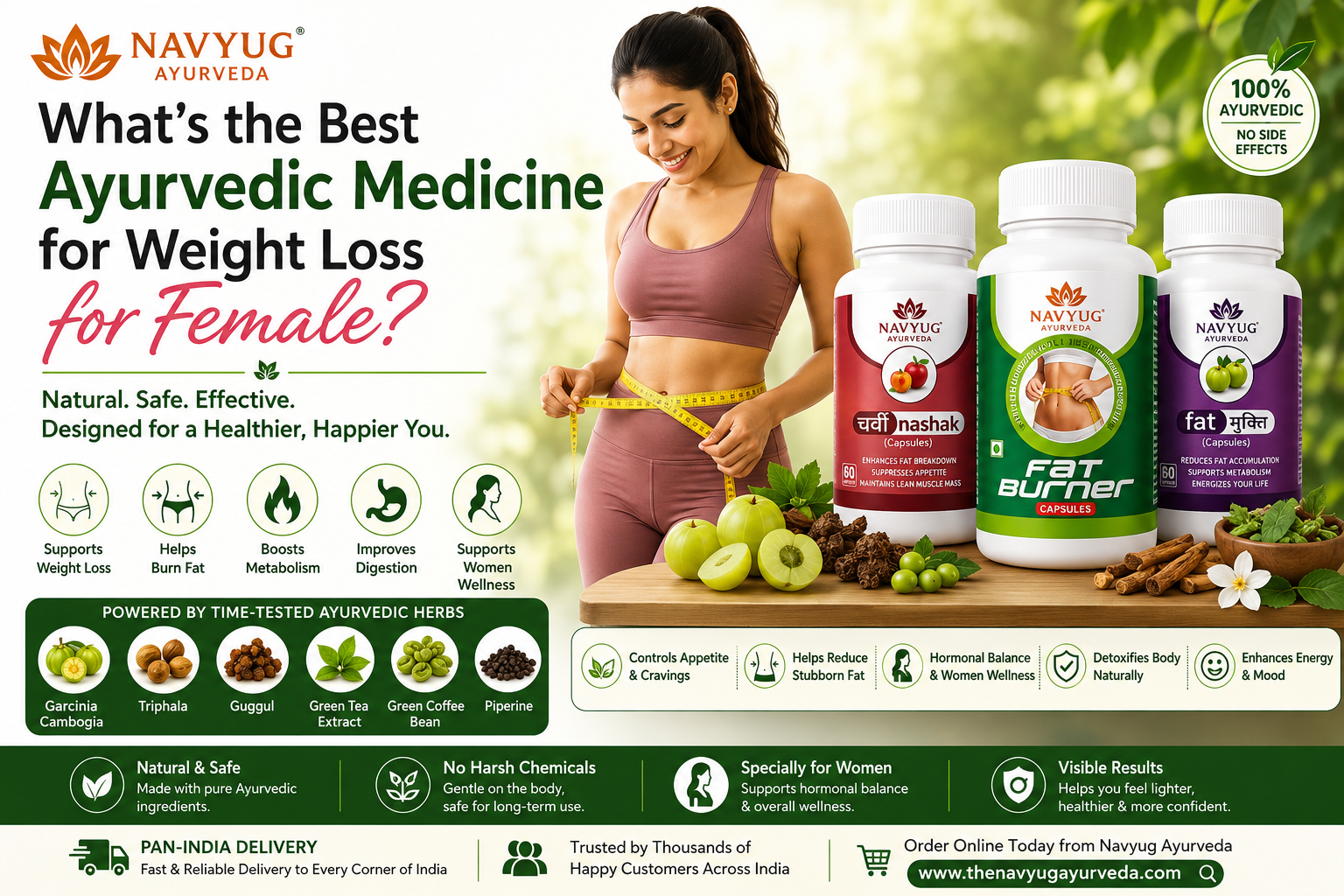
The best Ayurvedic medicine for weight loss for female depends heavily on whether hormonal factors like PCOS or thyroid imbalance are involved — herbs like Shatavari, Ashoka, and Medohar Guggulu specifically target hormone-driven weight gain, while general metabolism formulations (Garcinia Cambogia-based) work best when weight gain isn’t hormonally driven. Getting this distinction right matters more than picking “the strongest” product.
I see this question a lot, and honestly, most articles answering it just list the same five herbs used for general weight loss and call it done. But weight gain in women very often has a hormonal component that weight gain in men typically doesn’t, and treating both the same way is where a lot of well-meaning advice falls short.
What's Different About Weight Loss for Women vs. Men?
The biggest difference is that female weight gain is frequently tied to hormonal cycles — PCOS, thyroid imbalance, perimenopause, postpartum hormonal shifts — in ways that aren’t typically relevant for men. Ayurveda has always treated this differently too, with specific formulations for reproductive-system-linked weight gain (what’s traditionally addressed through herbs supporting the female reproductive system) separate from general Kapha-dosha-driven weight gain.
This is genuinely important, not just a marketing angle: a formulation that works well for general metabolism support might do very little if the actual driver is an untreated thyroid condition or PCOS-related insulin resistance.
What's the Best Ayurvedic Medicine for Belly Fat Loss for Female?
Best Ayurvedic Medicine for Belly Fat Loss for Female is Navyug’s Fat Burner, Fat Mukti, and Charbi Nashak — all built around Garcinia Cambogia — are formulated specifically to support appetite regulation and metabolism, which are the two mechanisms most linked to abdominal fat. Fat Mukti is worth a closer look here specifically, since it adds Piperine (for better absorption) and Fenugreek (for appetite support) on top of the core Garcinia Cambogia base, making it the most rounded option of the three for belly-fat-focused support.
If your belly fat has shown up alongside irregular periods, excess hair growth, or persistent fatigue — signals that could point to PCOS or a thyroid issue — that’s worth checking with a doctor first, since Medohar Guggulu-based formulations tend to be better suited for hormonally-driven belly fat, and that’s not what our current range is built around. But for belly fat without those signals, Fat Mukti, Fat Burner, or Charbi Nashak are a genuinely reasonable, evidence-informed starting point, alongside the basics — fiber, hydration, and reduced prolonged sitting — that make any of these formulations work better.
Is It Safe If I Have PCOS or Thyroid Issues?
Ayurvedic support can be used alongside PCOS or thyroid treatment, but it should never replace the medical management of the condition itself. Herbs like Ashwagandha have shown a role in moderating cortisol, which can indirectly support thyroid function and stress-related hormonal imbalance, and Shatavari is widely used traditionally to support hormonal balance and the reproductive system specifically.
Here’s something worth being direct about: I’ve seen at least one Ayurvedic clinic’s marketing claim a “complete cure” for thyroid conditions. That’s not an accurate or responsible claim — thyroid conditions are managed, often long-term, and no herbal formulation replaces that management. Be skeptical of any brand promising a complete cure rather than genuine support.
What Are the Best Ayurvedic Weight Loss Tablets for Female?
It depends on whether your weight gain is hormonally driven or not — this is genuinely the deciding factor, more than brand or price.
Situation | Best-Suited Herbs | What to Do First |
PCOS-related weight gain | Shatavari, Ashoka, Lodhra, Medohar Guggulu | Get PCOS properly diagnosed and treated by a doctor first |
Thyroid-related weight gain | Ashwagandha, Medohar Guggulu | Confirm thyroid levels with a doctor before starting any supplement |
General weight gain, no hormonal condition | Garcinia Cambogia, Green Coffee (e.g., our Fat Burner, Charbi Nashak) | Standard approach — diet, activity, consistent use |
Postpartum weight gain | Gentle digestive-support formulations, doctor clearance if breastfeeding | Confirm with your doctor before starting any oral supplement |
Worth being upfront here: Navyug’s current Fat Burner, Fat Mukti, and Charbi Nashak formulations are built around general metabolism support (Garcinia Cambogia-based), not the reproductive-hormone-specific herbs above. If PCOS or thyroid is your primary driver, those herbs — and a doctor’s input — matter more than which general fat-burner capsule you pick.
Is Ayurvedic Weight Loss Safe During and After Menopause?
Generally yes as general metabolic support, but menopause brings its own hormonal shift (declining estrogen) that changes fat distribution and metabolism in ways general weight-loss herbs don’t directly address. This is an area where Ayurveda traditionally recommends dosha-rebalancing (often a Vata-Pitta shift during this stage) alongside diet changes, rather than a single herb doing the work alone.
If you’re managing menopause-related weight change, a doctor or qualified Ayurvedic practitioner familiar with this life stage specifically is worth consulting before assuming a general fat-burner formula is the right fit.
What's the Best Ayurvedic Approach to Postpartum Weight Loss?
Gentle, gradual, and cleared by your doctor first, especially if you’re breastfeeding, since some compounds pass into breast milk. This connects directly to something we’ve covered in depth elsewhere — our piles during pregnancy guide applies the same caution here: natural doesn’t automatically mean safe to take internally right after delivery, and diet plus lifestyle changes should be your starting point before any oral supplement.
Step-by-Step: Choosing the Right Approach
- Identify whether a hormonal condition (PCOS, thyroid, menopause) is driving your weight gain — this changes everything else.
- Get that condition properly diagnosed by a doctor before choosing any supplement.
- If hormonally driven, look specifically for Shatavari, Ashoka, or Medohar Guggulu-based formulations, alongside your doctor’s treatment plan.
- If not hormonally driven, a general metabolism-support formulation like Fat Burner or Charbi Nashak is a reasonable starting point.
- If postpartum or breastfeeding, check with your doctor before starting anything oral, regardless of category.
- Give any approach 8-12 weeks alongside diet and activity before judging results.
Frequently Asked Questions
What is the best Ayurvedic medicine for weight loss for female with PCOS?
Medohar Guggulu is the formulation most consistently associated with PCOS-related weight gain in Ayurvedic practice, often alongside Shatavari for hormonal support. PCOS should be properly diagnosed and treated by a doctor, with Ayurvedic support used alongside that treatment, not instead of it.
Can Ayurvedic medicine help with belly fat caused by hormonal imbalance?
Yes, formulations targeting the underlying hormonal driver, like Medohar Guggulu for PCOS or thyroid-related weight gain, tend to work better than general appetite-support herbs alone in these cases. Getting the hormonal condition diagnosed first matters more than which specific product you choose.
Is it safe to take Ayurvedic weight loss medicine with thyroid medication?
Some herbs, like Ashwagandha, may support thyroid-related stress and cortisol balance, but any Ayurvedic supplement should be checked with your doctor before combining with thyroid medication. Never stop or adjust prescribed thyroid medication in favor of an herbal supplement.
What's different about Ayurvedic weight loss tablets for women vs. men?
Women’s weight gain is more frequently tied to hormonal factors like PCOS, thyroid imbalance, or menopause, which general metabolism-focused herbs don’t directly address. Formulations targeting these specific hormonal drivers differ from the general Garcinia Cambogia-based options that work well for non-hormonal weight gain regardless of gender.
Can I take Ayurvedic weight loss medicine while breastfeeding?
Some compounds can pass into breast milk, so any oral Ayurvedic medicine should be checked with your doctor before use while breastfeeding. Gentle, lifestyle-based approaches are the safer default until you get that confirmation.
Does Ayurvedic medicine help with menopause-related weight gain?
General metabolic support can help, but menopause involves a distinct hormonal shift that changes fat distribution in ways general weight-loss herbs don’t fully address. A doctor or Ayurvedic practitioner experienced with this life stage can help build a more tailored approach.

ABOUT THE AUTHOR
Dr. Iffat Rehman
B.Sc, BAMS (Bachelor of Ayurvedic Medicine & Surgery), Diploma in Dietetics & Nutrition (Ayurveda and Modern Nutrition)

One thought on “What’s the Best Ayurvedic Medicine for Weight Loss for Female?”