


Blog
Piles During Pregnancy: Is Ayurvedic Treatment Safe?

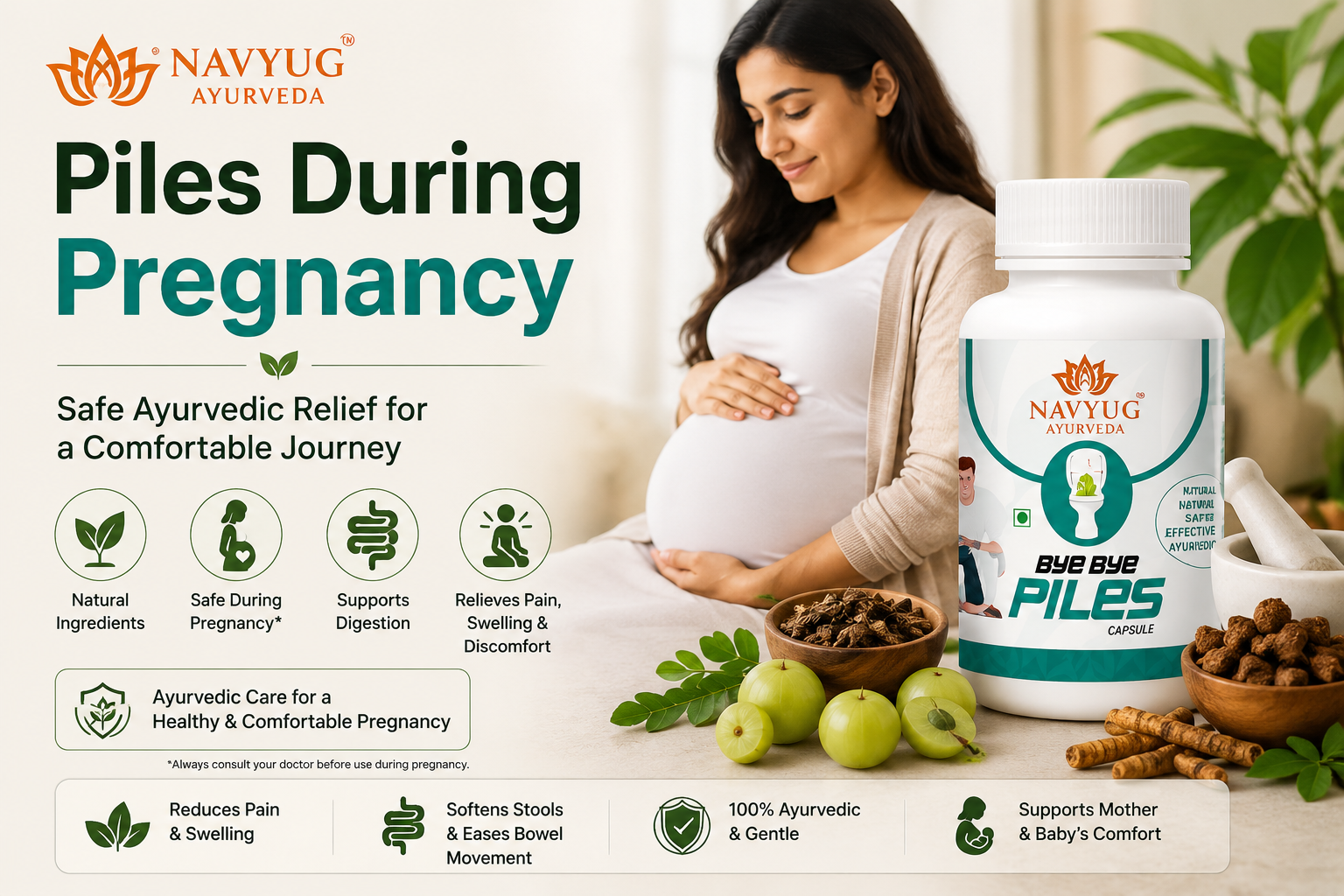
Ayurvedic lifestyle approaches to piles during pregnancy — sitz baths, fiber-rich diet, adequate hydration — are generally safe throughout pregnancy, but any internal Ayurvedic medicine or herbal supplement should be cleared by your doctor first, since not all herbs are safe during pregnancy. Piles are extremely common in pregnancy due to increased blood volume, hormonal changes, and pressure on pelvic veins, and they usually improve significantly after delivery.
I see this a lot in practice, and I understand the anxiety behind it — you’re dealing with a genuinely uncomfortable condition, but you’re also, understandably, terrified of taking anything that could affect the baby. So let’s separate what’s safe to try immediately from what needs your doctor’s sign-off first.
Why Do I Have Piles During Pregnancy?
Pregnancy creates near-ideal conditions for piles to develop, mainly because of increased blood volume and the growing uterus placing direct pressure on pelvic veins. A 2021 prospective cohort study published in Diseases of the Colon & Rectum found that bowel habits and hormonal changes both significantly influence hemorrhoidal disease development during pregnancy and the postpartum period — so this isn’t just bad luck, it’s a well-documented physiological pattern.
Progesterone also relaxes vein walls throughout the body, including in the rectal area, which combined with constipation (extremely common in pregnancy) creates the perfect setup for piles to form or worsen.
Is It Safe to Take Ayurvedic Medicine for Piles While Pregnant?
Topical and lifestyle-based approaches are generally safe, but oral Ayurvedic medicines need your doctor’s clearance first, since pregnancy changes what’s safe to take internally regardless of whether something is “natural.” This is genuinely important: natural doesn’t automatically mean pregnancy-safe. Some herbs used in general piles formulations, including certain classical laxative herbs, aren’t recommended during pregnancy without medical supervision.
I’d rather be direct about this than give you a false sense of blanket safety. If you’re considering any Ayurvedic capsule or tablet, including ones from Navyug Ayurveda’s own range, bring it to your obstetrician or a qualified Ayurvedic physician first — not because these formulations are dangerous, but because pregnancy is exactly the situation where “check first” matters more than usual.
What Home Remedies Are Safe for Piles During Pregnancy?
Warm sitz baths, increased fiber intake, and adequate hydration are the safest and most well-supported approaches during pregnancy. Sitting in a shallow warm water bath for 15-20 minutes, especially after a bowel movement, helps soothe irritation and improve local blood flow without any medication involved at all. This is the same fiber-focused approach we cover in more depth in our Ayurvedic diet for piles guide, which applies just as safely during pregnancy as any other time.
A few more genuinely safe steps: gently patting the area dry instead of wiping with regular toilet paper, staying active with doctor-approved movement to reduce prolonged pelvic pressure, and avoiding prolonged sitting or standing where possible.
What Can I Use for Piles During Pregnancy Without Harming the Baby?
Fiber, water, and gentle topical care are your safest starting points, and they address the root mechanical cause — constipation and straining — without introducing anything that needs to be metabolized systemically. Whole grains, fruits, and vegetables increase stool bulk, which directly reduces the straining that worsens piles.
[CLIENT EXAMPLE: insert a real, anonymized case of a patient managing pregnancy piles through diet/lifestyle alone, with doctor clearance noted, if available — this kind of specific, real scenario is exactly what differentiates this page from generic competitor listicles.]
Why Do I Have Piles After Giving Birth?
Postpartum piles are extremely common, mainly from the straining during labor itself, which puts intense, sudden pressure on the same pelvic veins that were already under strain throughout pregnancy. Most cases genuinely improve within a few weeks after delivery as that pressure resolves and hormone levels normalize.
Postpartum Ayurvedic Medicine for Piles — What Changes After Delivery?
Once you’ve delivered and you’re not breastfeeding, or your doctor confirms it’s safe, oral Ayurvedic support becomes a more viable option than during pregnancy itself. If you are breastfeeding, the same caution applies as with pregnancy — check with your doctor before starting any internal medicine, since some compounds pass into breast milk.
For postpartum digestive support specifically, once cleared by your doctor, a formulation focused on gentle bowel regularity can be a reasonable addition alongside continued fiber and hydration — this is the stage where something like Bye Bye Piles Capsule might fit, but again, only after your doctor confirms it’s appropriate for your specific postpartum and breastfeeding status. If you want to understand the fuller range of Ayurvedic options available once you’re cleared to use them, our complete guide to choosing the right Ayurvedic medicine for piles covers that in detail.
Step-by-Step: Managing Piles Safely Through Pregnancy and Postpartum
- Start with diet and hydration — increase fiber gradually and drink plenty of water, safe at any stage of pregnancy.
- Try warm sitz baths for direct symptom relief, 15-20 minutes, especially after bowel movements.
- Avoid straining — don’t rush or force bowel movements; respond to the urge promptly rather than delaying.
- Mention any bleeding to your doctor, even if it seems minor — this rules out anything beyond typical pregnancy-related piles.
- Don’t start any oral Ayurvedic medicine without checking with your doctor first, throughout pregnancy and while breastfeeding.
- Reassess after delivery — most piles improve significantly within weeks, and this is when more treatment options, including internal Ayurvedic support, become appropriate if needed.
When Should I See a Doctor Instead of Just Managing at Home?
If bleeding is heavy, pain is severe, or a pile mass doesn’t reduce on its own, that’s the point to involve your doctor directly rather than continuing home management alone. Surgery is rarely done during pregnancy and is typically postponed until at least six weeks postpartum unless there’s a complication like thrombosis, so in most cases, safe symptom management is the realistic goal until then.
Frequently Asked Questions
Is it safe to take Ayurvedic medicine for piles while pregnant?
Topical and lifestyle approaches like sitz baths and dietary changes are generally safe, but any oral Ayurvedic medicine should be cleared by your doctor first, since not all herbs are appropriate during pregnancy. Always check before starting an internal supplement, regardless of how “natural” it’s marketed as.
Why do I have piles after giving birth?
Postpartum piles are extremely common, mainly caused by the intense straining during labor on top of the pressure that built up throughout pregnancy. Most cases improve significantly within a few weeks after delivery as that pressure resolves.
What can I use for piles during pregnancy without harming the baby?
Fiber-rich foods, adequate water intake, and warm sitz baths are the safest starting points, since they address the mechanical cause of piles without introducing anything that needs to be processed systemically. These can be used throughout pregnancy without special medical clearance
Are piles during pregnancy a sign something is wrong?
No, piles during pregnancy are a very common physiological response to increased blood volume and pressure on pelvic veins, not a sign of a serious problem. Any bleeding should still be mentioned to your doctor to confirm it’s piles-related and not something else.
Can I use postpartum Ayurvedic medicine for piles while breastfeeding?
Some compounds can pass into breast milk, so any oral Ayurvedic medicine should be checked with your doctor before use while breastfeeding, even after delivery. Topical and lifestyle approaches remain the safer default until you get that confirmation.
Do piles from pregnancy need surgery?
Rarely, and doctors generally avoid surgery during pregnancy unless there’s a complication like thrombosis or severe infection. Most pregnancy-related piles are managed with lifestyle changes and improve substantially after delivery.

ABOUT THE AUTHOR
Dr. Iffat Rehman
B.Sc, BAMS (Bachelor of Ayurvedic Medicine & Surgery), Diploma in Dietetics & Nutrition (Ayurveda and Modern Nutrition)